

Individual Counseling

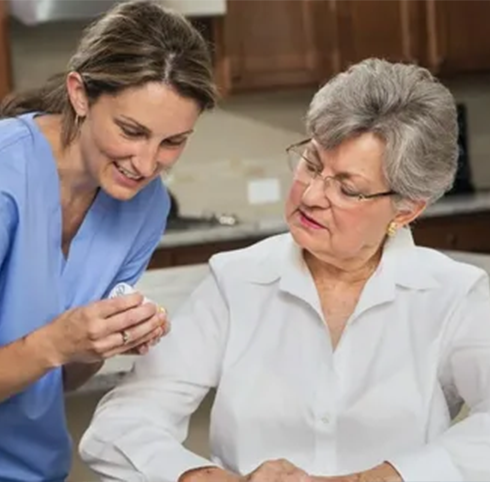
Individual counseling offers private, one-on-one sessions with a caring behavioral health professional in a safe and confidential setting. It serves veterans processing difficult experiences, adults rebuilding life after incarceration, and anyone living with conditions such as PTSD, depression, anxiety, or bipolar disorder. Sessions move at each person’s own pace and focus on their specific history, struggles, and goals.

The primary benefit is personal attention. Every conversation centers entirely on the individual, which allows deeper healing, honest self-reflection, and steady progress toward stability. For many, this becomes the foundation on which the rest of their recovery is built.


Group Therapy

Group therapy brings individuals together in guided sessions led by a behavioral health professional. It helps people who feel alone in their struggles, including veterans, adults in recovery, and those managing serious mental health conditions. Within the group, participants share experiences, encourage one another, and practice healthy ways of coping in a supportive environment.

The primary benefit is connection. Hearing others describe similar battles reminds each participant that recovery is possible and that they belong. Skills learned in the group carry into daily life, strengthening relationships, communication, and confidence long after each session ends.

Psychiatric Care

Psychiatric care provides professional assessment, diagnosis, and treatment for individuals living with serious mental health conditions such as PTSD, bipolar disorder, major depression, and anxiety disorders. It serves those who need clinical expertise to understand what they are experiencing and a clear, structured plan to address it.

The primary benefit is clarity. An accurate assessment removes guesswork and gives each individual a treatment plan grounded in evidence-based practice. With the right psychiatric support in place, symptoms become manageable, daily life becomes steadier, and long-term recovery becomes a realistic and reachable goal.

Medication Management

Medication management provides careful, ongoing oversight of psychiatric medications by qualified professionals. It serves individuals whose treatment plans include medication, ensuring that prescriptions remain safe, effective, and suited to their changing needs. Regular reviews allow adjustments to be made thoughtfully, with each person’s comfort, progress, and overall health in mind.

The primary benefit is consistency. When medication is monitored properly, individuals experience fewer setbacks and greater stability in their daily lives. This steady foundation allows counseling, therapy, and life-skills work to take hold and produce lasting results.

Peer Recovery Support

Peer recovery support connects individuals with people who have lived through similar challenges and found their way to stability. It serves veterans, adults returning from incarceration, and individuals in mental health recovery who need encouragement from someone who genuinely understands the road they are traveling.

The primary benefit is hope made visible. A peer supporter is living proof that recovery works. Alongside that hope comes practical guidance, honest accountability, and a trusted companion for the difficult days. Many individuals describe their peer supporter as the person who helped them keep going.

Case Management

Case management provides personalized coordination of care, resources, and community services. It serves individuals navigating several systems at once, which is especially common for people leaving correctional settings or managing serious mental illness. A dedicated case manager helps with referrals, appointments, benefits, housing resources, and every other moving part of recovery.

The primary benefit is a connected path forward. With one professional keeping the full picture in view, individuals can focus their energy on healing while their practical needs stay organized, supported, and on schedule.

Family Education

Family education helps parents, spouses, siblings, and caregivers understand mental illness, addiction recovery, and the reintegration process. It serves the loved ones of the individuals in our care, giving them accurate information, realistic expectations, and healthy ways to offer support at home.

The primary benefit is a stronger support system. When families understand what their loved one is facing, patience replaces frustration and encouragement replaces conflict. Recovery becomes a shared effort, and the home becomes a place where healing can continue every single day.

Life-Skills Development

Life-skills development provides practical training in the everyday abilities that independent living requires, such as managing money, keeping routines, preparing for employment, and maintaining a healthy household. It serves individuals transitioning from correctional settings, treatment programs, or long periods of instability who are ready to build a self-sufficient future.

The primary benefit is confidence through capability. Each new skill mastered is proof of progress. Over time, individuals move from depending on others toward managing their own lives with pride, which is one of the most powerful outcomes recovery can offer.

Community Reintegration

Community reintegration offers structured support for individuals returning to everyday life after incarceration, treatment, or crisis. It serves justice-involved adults, veterans, and individuals with serious mental illness who are working to reestablish themselves as stable, contributing members of their communities.

The primary benefit is a successful new beginning. With guidance on housing, employment, relationships, and community connection, individuals return to society prepared rather than overwhelmed. Successful reintegration lowers the risk of relapse and reoffending, strengthens families, and builds safer, healthier communities for everyone.

Ready to take the first step? Contact Semper Fi Counseling Today